

How to Choose a Slab for a Live Edge Table
How to choose a slab for a live edge table begins with understanding the material itself. Every piece of wood carries its own character—defined by grain movement, edge shape, tone, and proportion. The goal is not to find a “perfect” slab, but the one that aligns with your space, your proportions, and the way the table will be used.
Start With the Size of the Table
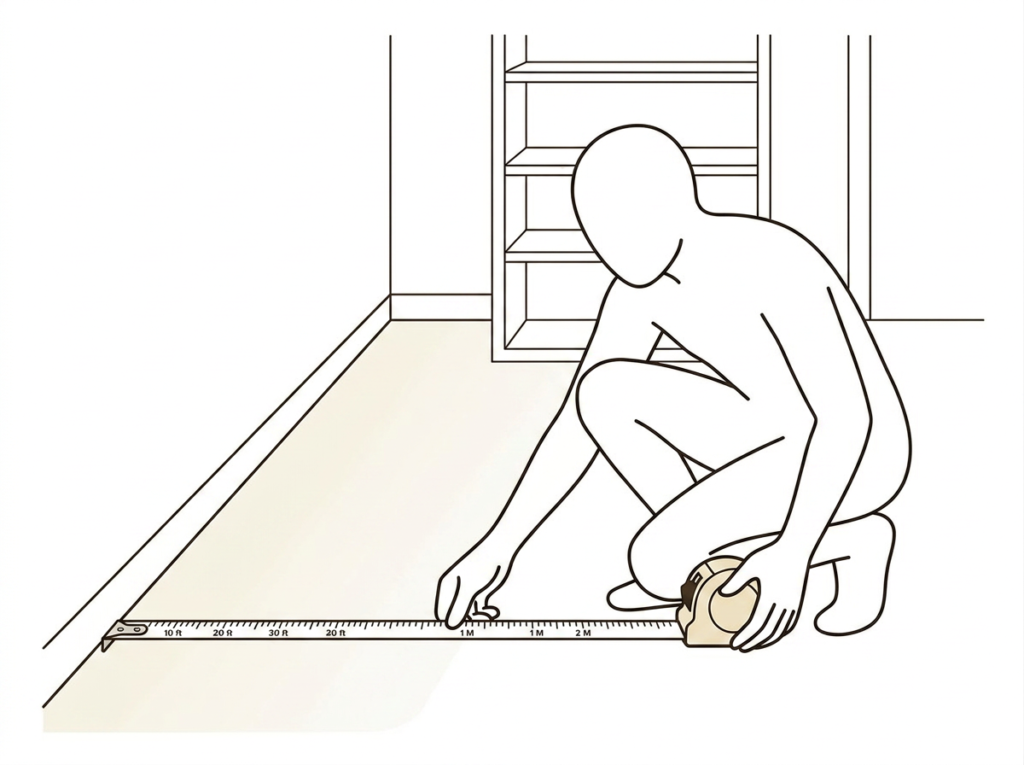
Scale is the first consideration. The size of the slab should correspond to the room it will live in, allowing for comfortable circulation while maintaining presence. A dining table, for example, should feel substantial without overwhelming the space.
Length, width, and thickness all influence how the finished table is perceived. A wider slab can feel more grounded and sculptural, while a slimmer slab may create a lighter, more architectural presence. Understanding these relationships is an essential part of how to choose a slab for a live edge table, helping ensure the finished piece feels balanced within its environment
Consider Grain, Figure, and Color
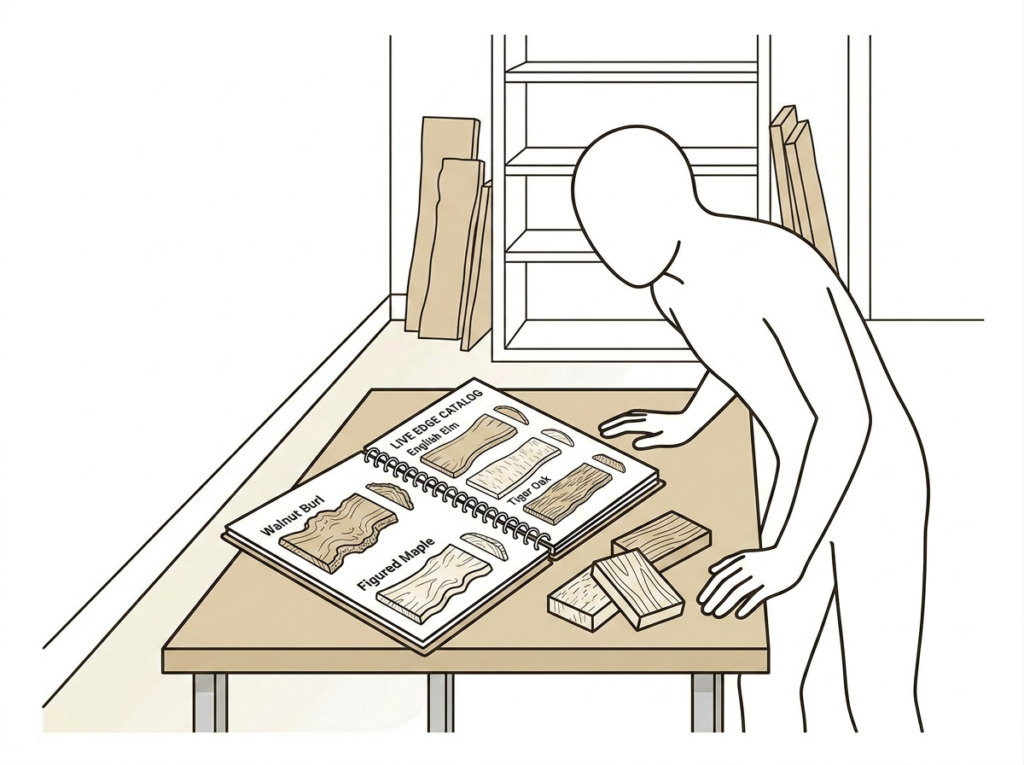
Grain and figure define the visual identity of the table. Some slabs feature bold, dramatic movement, while others are more subtle and linear. Neither is better—it depends on whether the table should become a focal point or integrate more quietly into the room.
Tone matters as well. Walnut, Claro walnut, American elm, and monkeypod each bring different color ranges and grain patterns. In many Los Angeles interiors, a balanced approach tends to work best: enough character to feel special, without overpowering the surrounding architecture.
Choose the Right Live Edge
The live edge itself is another key consideration. Some edges are clean and restrained, while others are more expressive and irregular. The shape of the edge influences not only the look of the table, but also how it interacts with the surrounding space.
For tighter rooms, a restrained edge can help preserve flow and keep the table feeling integrated. In larger spaces, a more expressive edge can create a stronger visual statement while allowing the natural form of the slab to become part of the design.
Single Slab vs. Book-Matched Slabs
You’ll also choose between a single slab and a book-matched layout. A single slab highlights the individuality of the material, preserving its natural asymmetry and organic variation. A book-matched pair introduces symmetry, rhythm, and flow.
This approach is often preferred for larger dining tables and conference tables, where balance and scale are especially important. Both options can work beautifully—the right choice depends on the size of the table, the character of the wood, and the space around it.
Think About the Room Around the Table
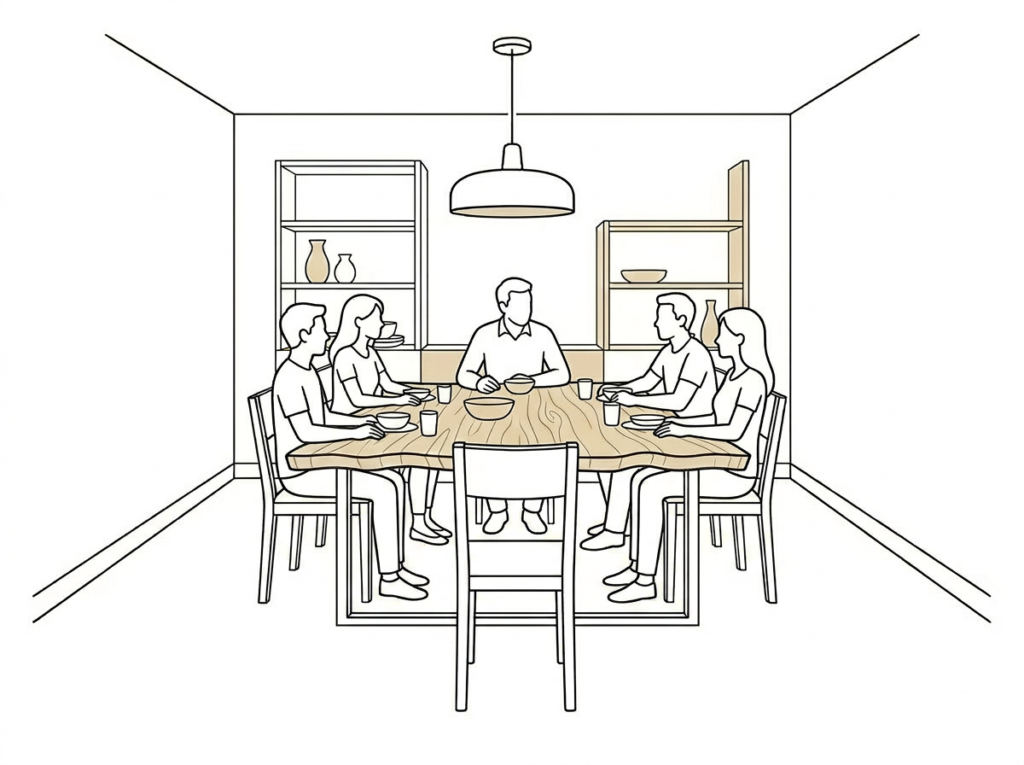
A slab should never be evaluated in isolation. Light, flooring, wall color, surrounding furniture, and nearby materials all affect how the wood will read once installed. What appears subtle in the shop can become a defining feature in the home.
The best slab is the one that belongs to the room—not just visually, but functionally.
We Will Show You How to Choose a Slab for a Live Edge Table
At our Los Angeles workshop, we guide this process closely, helping clients evaluate each slab as part of the finished table. We consider scale, wood species, grain movement, edge profile, base design, and how the piece will sit within the architecture of the space.
We also look at how natural light interacts with the wood, how surrounding materials influence its appearance, and whether a single slab or book-matched layout is best suited to the project. These considerations help ensure the finished table feels intentional, balanced, and connected to its environment.
The right selection brings together material, proportion, and environment into a table that feels considered from every angle.
Explore available slabs or learn more about the process behind a custom live edge table.